Signs You Need Planting and Borders in Your Garden
By Gardens of Eden
Signs you need planting and borders
Planting and borders can change how a garden looks, feels and functions. They introduce colour, texture and structure while helping separate lawns, paths, patios and outdoor living areas. But how do you know when your garden needs more than a tidy-up?
For homeowners in Bracknell, Wokingham, Ascot, Crowthorne, Sandhurst, Binfield, Warfield and Reading, the following signs usually point towards a planned planting and border project.
1. The garden looks flat or unfinished
A garden can have a good lawn and usable patio but still feel incomplete. Large areas of grass, bare soil or plain fencing may leave the space looking flat, especially when there is little variation in height or colour.
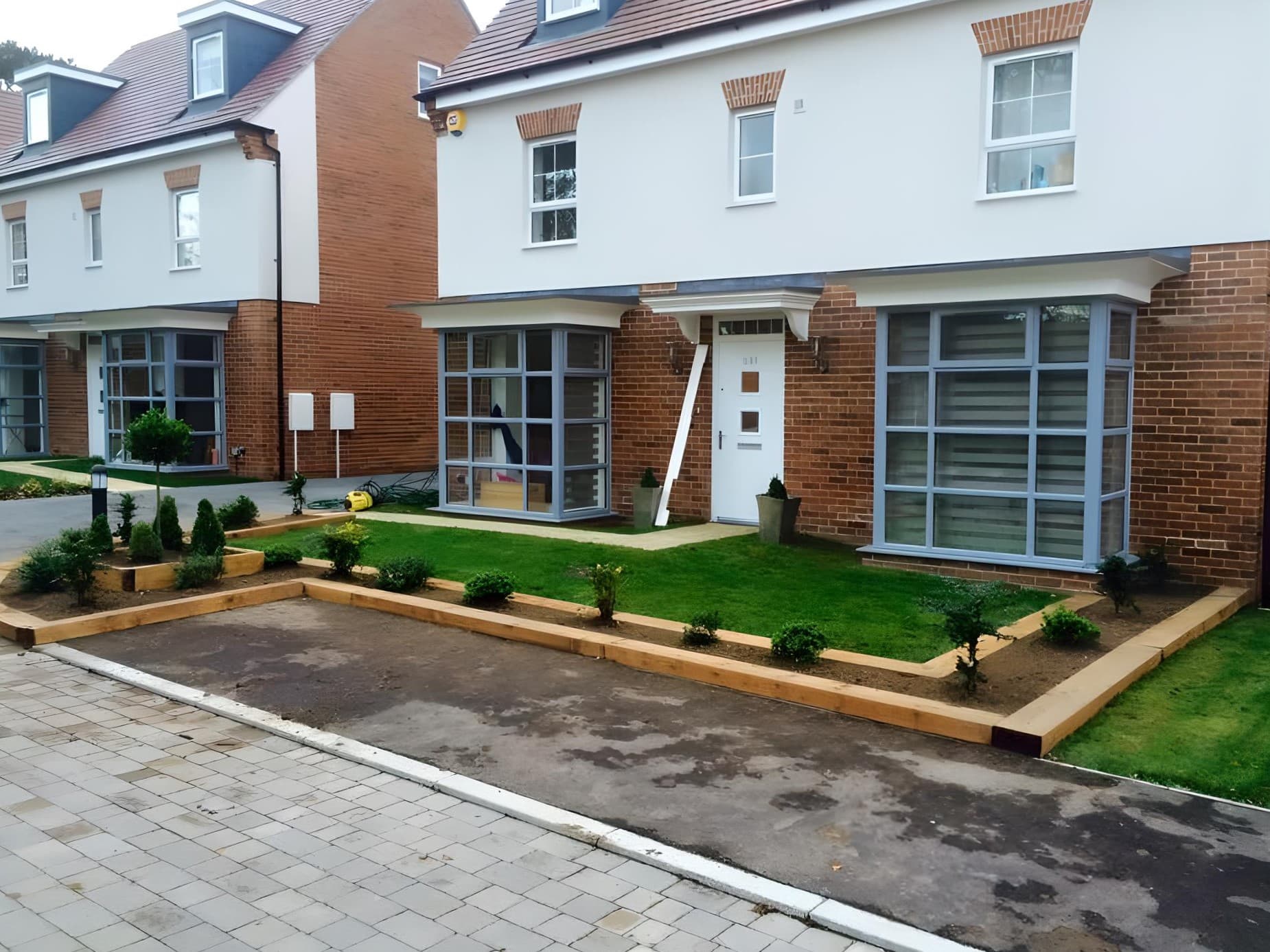
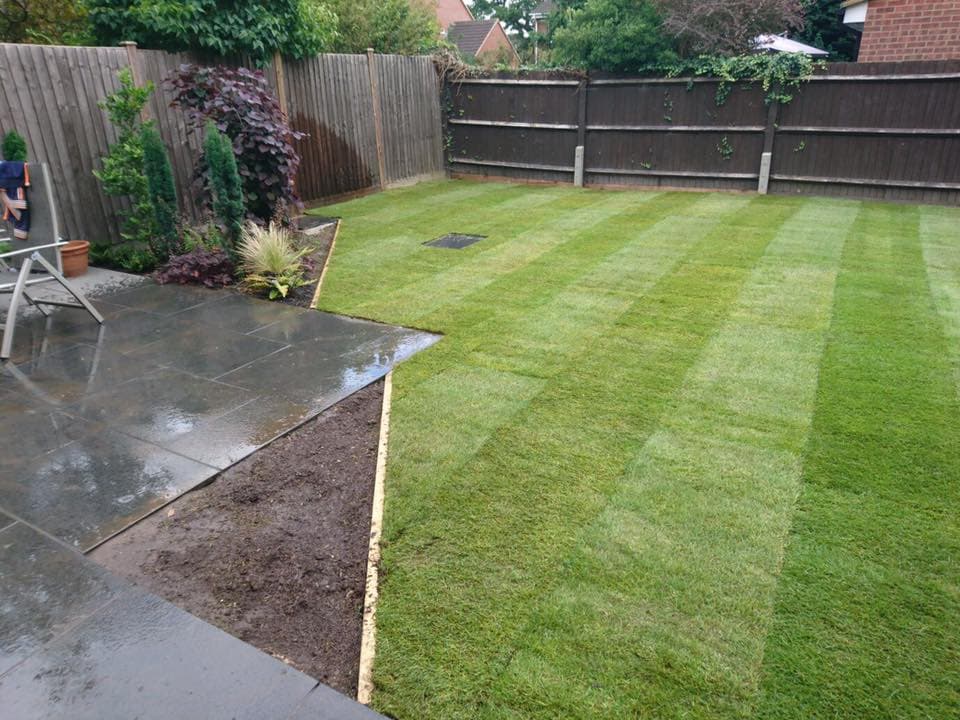
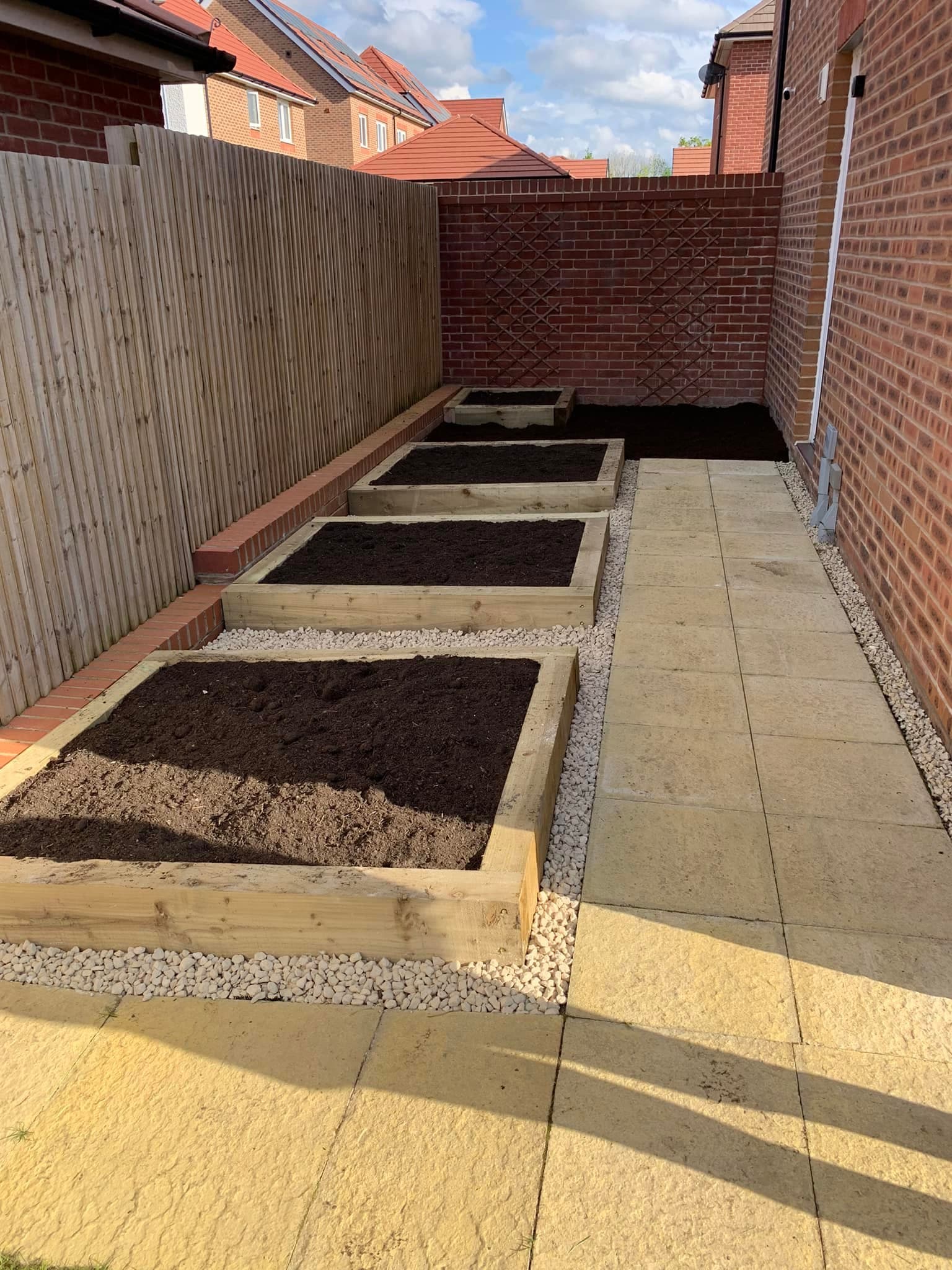
Planting beds can break up these open areas and create a stronger layout. Shrubs, ornamental grasses, perennials and trees can add different heights, while carefully chosen edging gives each part of the garden a clearer purpose.
The aim is not simply to add more plants. It is to create a balanced arrangement that works with the size and shape of the garden.
2. Your borders have lost their shape
Existing borders can become wider, narrower or uneven over time. Grass may spread into the beds, plants may outgrow their position and soil can spill onto paths after heavy rain. These are signs that the border structure needs attention.
A refreshed border may involve reshaping the edge, removing unwanted growth, improving the soil and replanting selected areas. Clear edging can also make future maintenance easier by creating a defined line between planting and lawn.
Before changing the shape, consider how much room plants will need as they mature. A border that looks sparse on day one may become overcrowded within a few seasons if the planting plan does not account for growth.
3. Plants are struggling or dying back
Repeated plant failure is often a sign that the planting is not suited to the conditions. Common factors include shade from buildings or mature trees, exposed positions, poor drainage and soil that has become compacted or depleted.
Watch how the garden behaves throughout the day. Areas that receive morning sun may be very different from those shaded by a house or boundary. Low spots may hold water, while raised or exposed sections can dry out quickly.
Plant selection should follow the conditions rather than fight them. Choosing plants that suit the available light, soil and moisture levels generally creates a more resilient border and reduces the need for constant replacement.
4. The garden has no colour beyond summer
Some gardens look attractive for a short period but become bare once the main flowering season ends. This can happen when every plant flowers at the same time or when the scheme relies heavily on one type of planting.
A more considered border can include plants that provide interest at different times of year. Evergreen foliage can give structure through winter, spring bulbs can provide early colour and later flowering plants can extend seasonal interest.
Colour is only one part of the design. Leaf shape, plant height, stem structure and texture can keep a garden interesting even when fewer plants are in flower.
5. The borders do not suit how you use the garden
A family garden, a formal front garden and a commercial outdoor space may all need different planting choices. If borders obstruct access, shed leaves onto seating areas or demand more attention than you have time for, the layout may not be working for you.
Think about how the space is used before deciding what to plant. Children’s play areas, seating, paths, parking and entertaining spaces all need enough room around them. Planting should support these uses rather than make movement through the garden difficult.
For commercial properties, clear and well maintained planting can also help create a more welcoming approach without interfering with entrances, walkways or access requirements.
What to do next
Assess the existing space
Take note of the garden’s sunlight, drainage, soil condition and current planting. Identify what you want to keep, what has failed and which areas feel most in need of change. Photographs taken at different times of day can help show how the light moves across the garden.
Decide on the level of work
Some projects involve a new planting scheme within existing beds. Others need garden clearance, border reshaping, lawn changes, paths or hardscaping before planting can begin. Being clear about the full scope helps prevent a planting plan from being designed around features that are due to change later.
Plan for maintenance
A planting scheme should reflect the time available for upkeep. Discuss pruning, watering, seasonal cutting back and weed control before work starts. The right balance of plants can make a garden easier to manage, but every planted area still needs ongoing care.
Request a planned quote
Planting and borders are best approached as a planned landscaping project, particularly where the work forms part of a larger garden construction or outdoor living scheme. The final scope can be affected by access, soil preparation, clearance, plant sizes, edging, surface changes and the scale of the area.
Gardens of Eden provides planting and borders for homeowners and commercial customers across Bracknell and surrounding areas, including planned mid sized installations and larger projects. The work also sits alongside garden design and landscaping, lawn care, garden clearance, fencing, patios and other outdoor features where the wider garden needs attention. A 12 month workmanship guarantee is offered on completed work.
If your borders are tired, your planting keeps failing or the garden lacks structure, contact Gardens of Eden to discuss the space and request a quote for the next stage.